
Kyle Pearson

Hello, my name is Kyle Pearson, I am the University of Arizona Astronomy Club Webmaster for 2013. I am a Junior majoring in Astronomy and Math with a minor in Physics. I work as a telescope operator for Steward’s 21″ Raymond White telescope here on campus. I am currently involved in Exoplanet research focusing on the characterization of them and using near-UV photometry to detect magnetic fields . I am also involved in analyzing Kepler data with an emphasis on characterizing stellar activity. I have an admiration for programming physics simulations by means of SPH and video games.

Links to some of my code

Exoplanet Data Reduction Pipeline – https://uaastroclub.org/members/kyle-pearson/exodrpl/

Planetary Parameters – https://uaastroclub.org/members/kyle-pearson/planetary-parameters/


me

Outside of Astronomy club some of my hobbies include surfing, snowboarding, computer programing and computer gaming.

Publications

Constraining the Magnetic Field of HAT-P-16b via Near-UV Photometry,  Pearson K., Turner J. 2013, in prep.


If you have any comments, suggestions or requests for the website please feel free to email me at pearsonk [at] email (dot) arizona.edu

Plan a Star Party!

University of Arizona Astronomy Club Star Parties Click to learn more about our star parties!

Like us on Facebook!

Google +1

Gallery

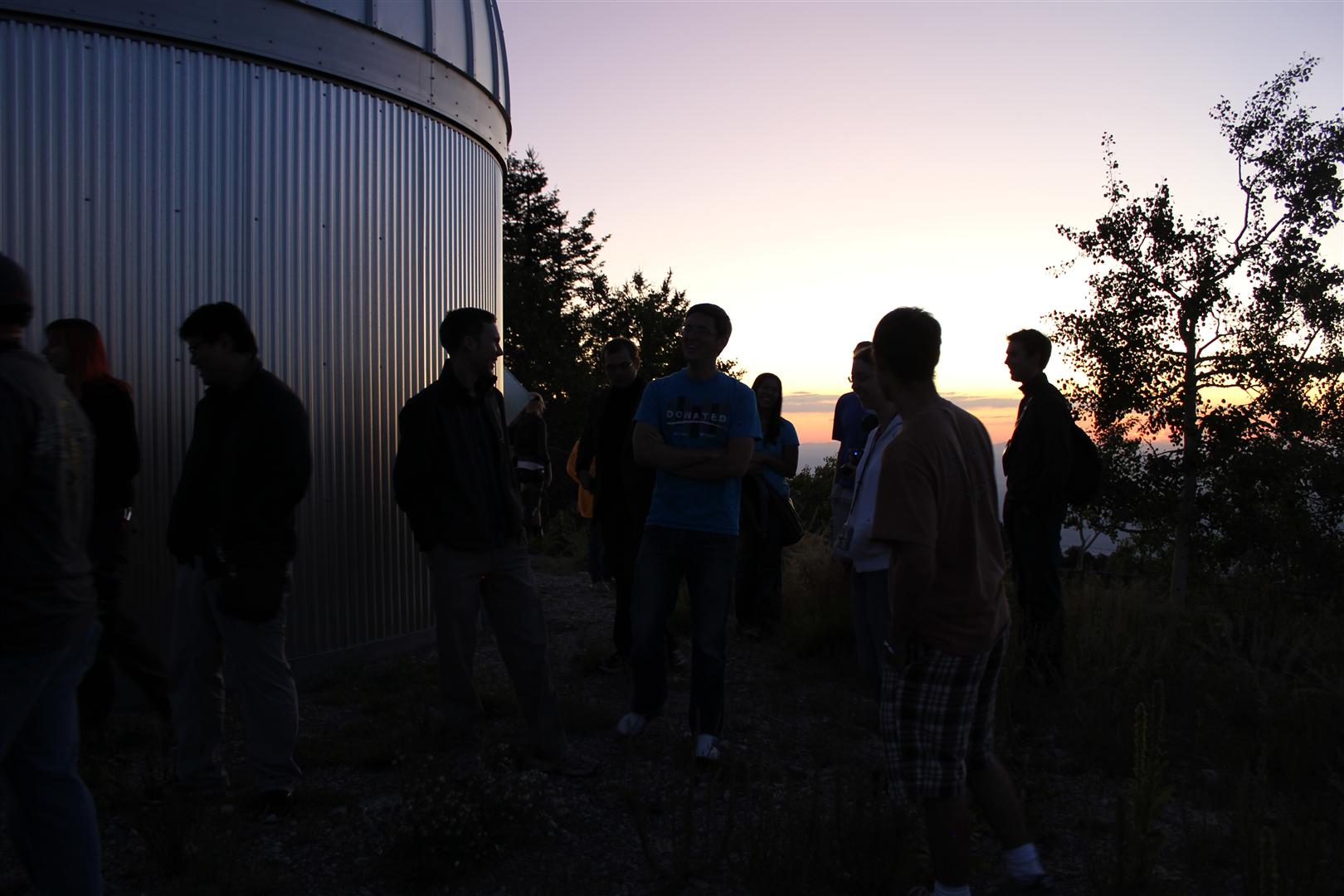
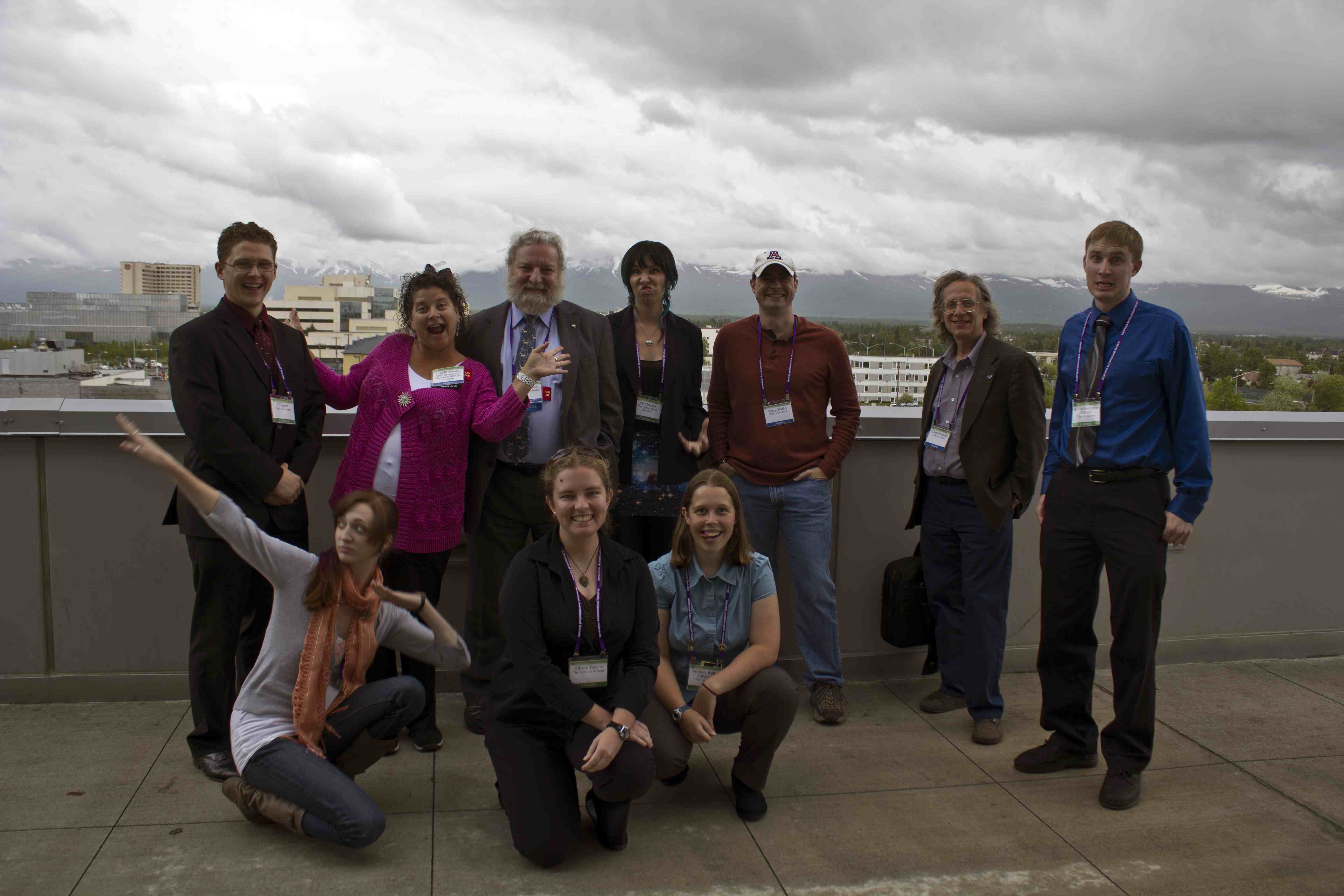
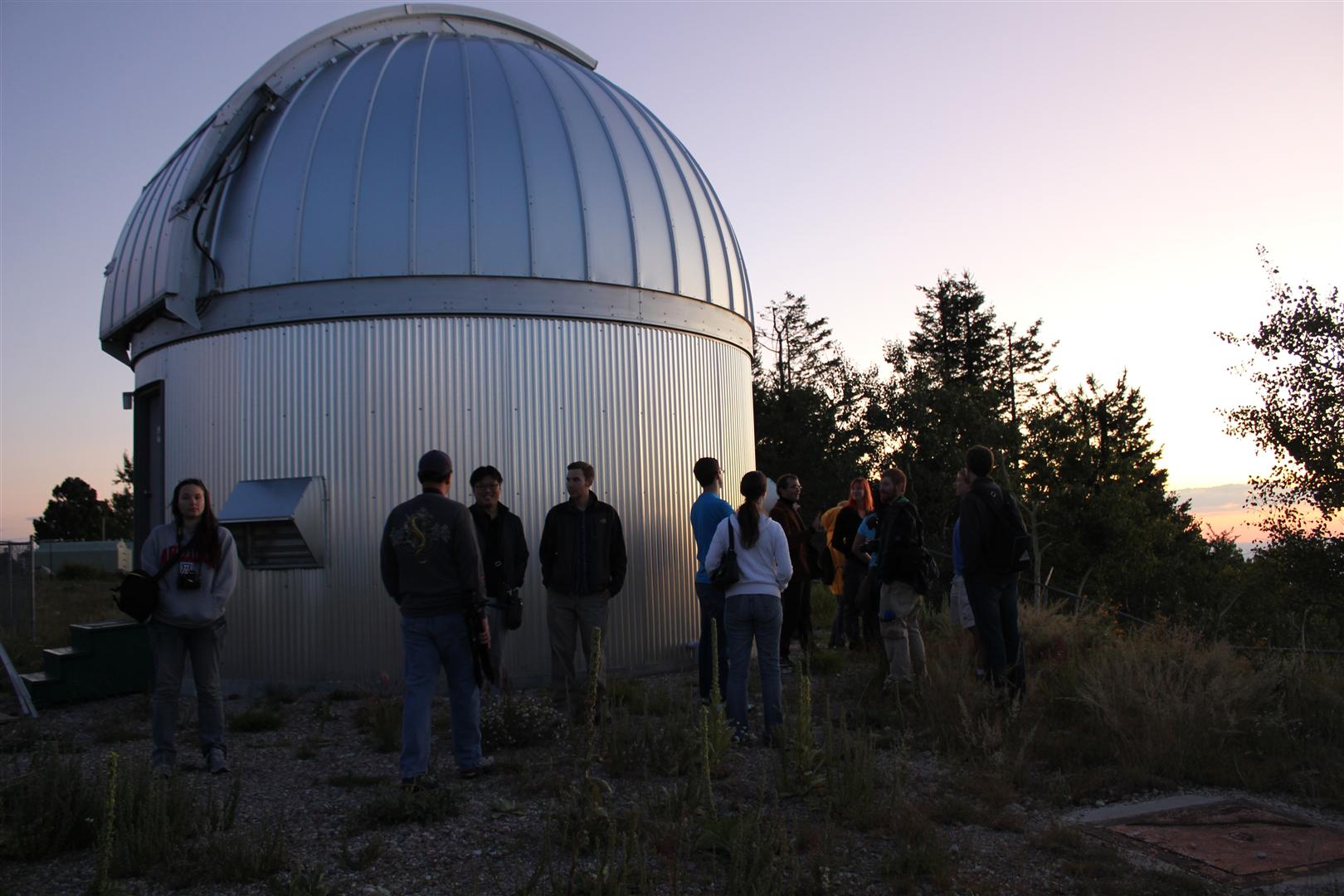
At sunset arizona-with-dave-helfand-silly_sm Playing games in the gym At sunset near a telescope dome

NASA Image of the Day

False-Color Image of Earth Highlights Plant Growth

 
On Aug. 3, 2004, NASA’s Mercury Surface, Space Environment, Geochemistry, and Ranging (MESSENGER) spacecraft began a seven-year journey, spiraling through the inner solar system to Mercury. One year after launch, the spacecraft zipped around Earth, getting an orbit correction from Earth’s gravity and getting a chance to test its instruments by observing its home planet. This image is a view of South America and portions of North America and Africa from the Mercury Dual Imaging System’s wide-angle camera aboard MESSENGER. The wide-angle camera records light at eleven different wavelengths, including visible and infrared light. Combining blue, red, and green light results in a true-color image from the observations. The image substitutes infrared light for blue light in the three-band combination. The resulting image is crisper than the natural color version because our atmosphere scatters blue light. Infrared light, however, passes through the atmosphere with relatively little scattering and allows a clearer view. That wavelength substitution makes plants appear red. Why? Plants reflect near-infrared light more strongly than either red or green, and in this band combination, near-infrared is assigned to look red. Apart from getting a clearer image, the substitution reveals more information than natural color. Healthy plants reflect more near-infrared light than stressed plants, so bright red indicates dense, growing foliage. For this reason, biologists and ecologists occasionally use infrared cameras to photograph forests. > Read more: Why is that Forest Red and that Cloud Blue? How to Interpret a False-Color Satellite Image Image Credit: NASA/Johns Hopkins University Applied Physics Laboratory/Carnegie Institution of Washington Caption: Holli Riebeek
Read More

Tag Cloud