Jake Turner

I am Jake Turner, a graduate of the Astronomy program at the U of A with a double degree in Physics.

I work at the Lunar and Planetary Laboratory for Dr. Caitlin Griffith performing research on Titan and exoplanets.  I’ve been in this position since Spring 2010. For my Titan research I analyze Cassini VIMS spectral images of Titan’s atmosphere with a plane parallel discrete ordinates radiative transfer model in order to determine accurate surface albedos and help constrain the composition of the surface. During this research I helped discover and characterize the first methane lakes located in the tropical region of Titan. Additionally, I study the atmospheres and magnetic fields of transiting exoplanets. For Astronomy Club I’m the Principal Investigator and staff advisor for the Exoplanet project.  See my list of publications here: Publications

Besides astronomy, I enjoy volunteering, biking, dancing, traveling, reading and theatre. I’m a huge advocate for environmental activism and helped start the Residence Life Eco-Reps at the U of A.  My biggest hobby would be photography.

“We support astronomy for the same reason we support a symphony orchestra, or an opera, or a poet. Because it distinguishes us as human.” Bart Bok

Plan a Star Party!

University of Arizona Astronomy Club Star Parties Click to learn more about our star parties!

Like us on Facebook!

Google +1

Gallery

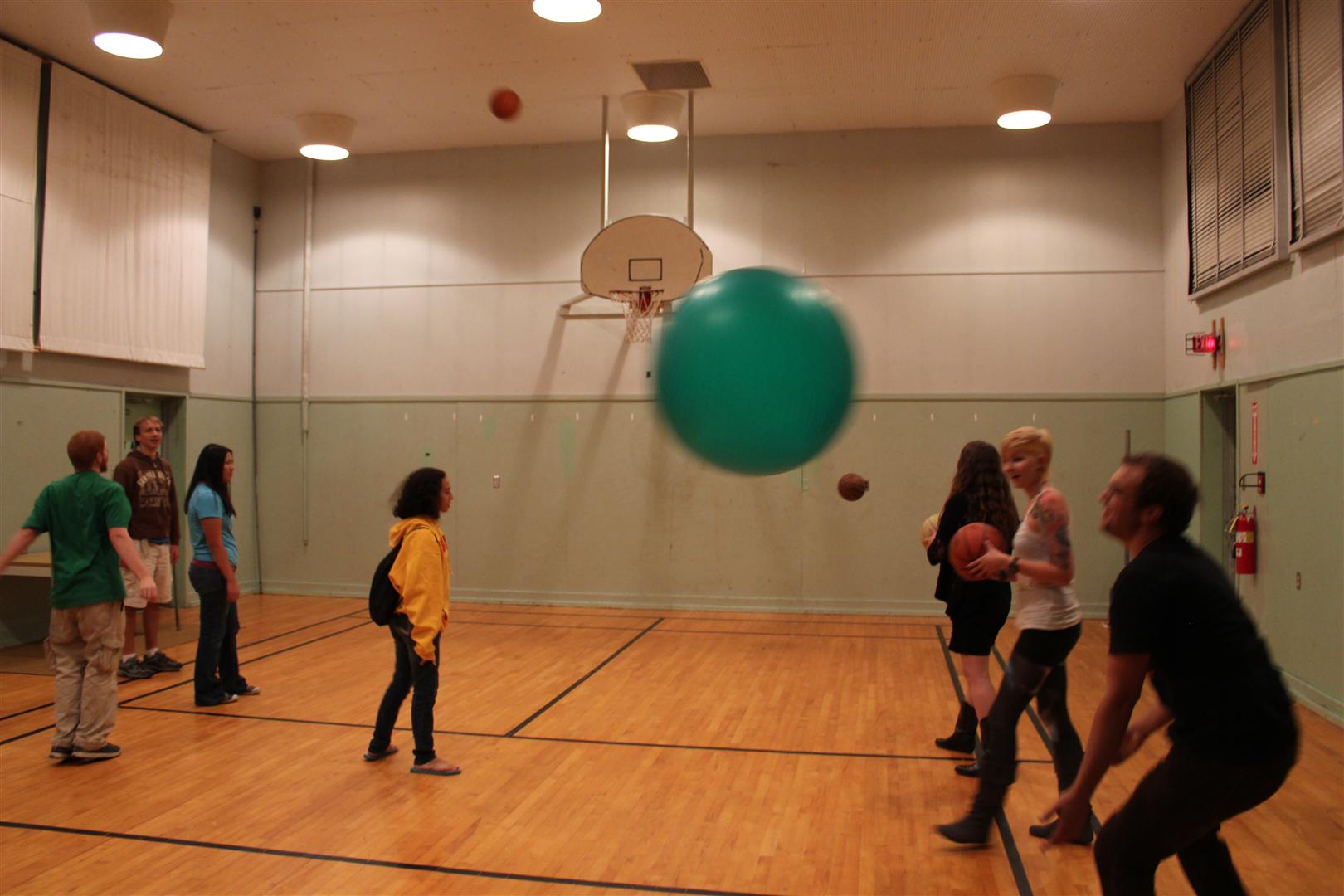
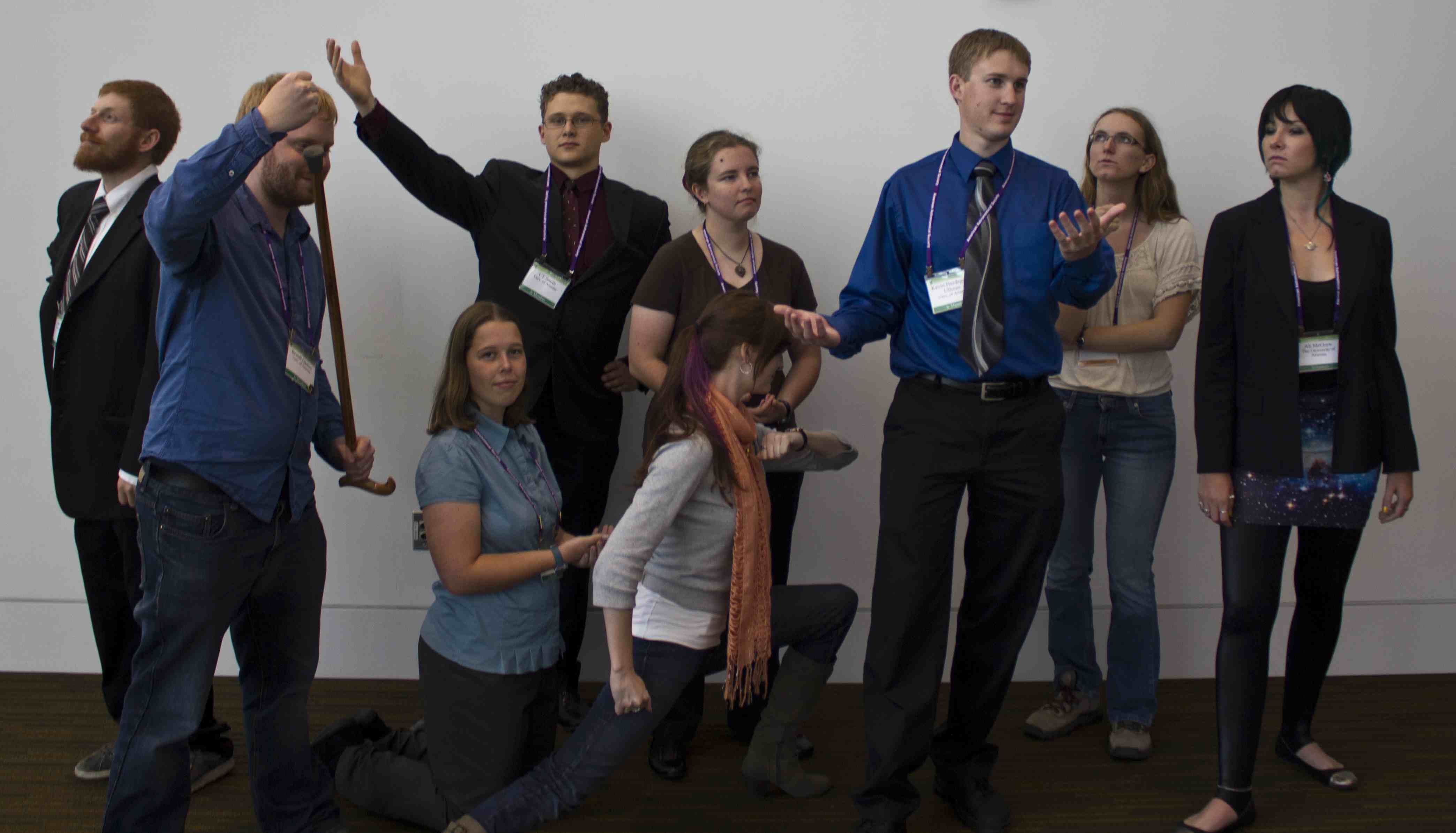
Playing games in the gym night-watch-by-rembrandt-and-ua_sm 2012-06-12_12-03-54_591_sm Having fun in the common room

NASA Image of the Day

Boosters for Orion Spacecraft's First Flight Test Arrive at Port Canaveral, Florida

 
A barge arrives at the U.S. Army Outpost wharf at Port Canaveral in Florida, carrying two of the three United Launch Alliance Delta IV heavy boosters for NASA’s upcoming Exploration Flight Test-1 (EFT-1) with the Orion spacecraft. The core booster and starboard booster will be offloaded and then transported to the Horizontal Integration Facility, or HIF, at Space Launch Complex 37 on Cape Canaveral Air Force Station. The port booster and the upper stage are planned to be shipped to Cape Canaveral in April. At the HIF, all three boosters will be processed and checked out before being moved to the nearby launch pad and hoisted into position. Orion is the exploration spacecraft designed to carry astronauts to destinations in deep space, including an asteroid and Mars. It will have emergency abort capability, sustain the crew during space travel and provide safe re-entry from deep space return velocities. During the uncrewed EFT-1 flight, Orion will travel 3,600 miles into space -- farther than a spacecraft built for humans has been in more than 40 years -- and orbit the Earth twice. The capsule will re-enter Earth’s atmosphere at speeds approaching 20,000 mph, generating temperatures as high as 4,000 degrees Fahrenheit, before splashing down in the Pacific Ocean. The data gathered during the flight will influence design decisions, validate existing computer models and innovative new approaches to space systems development, as well as reduce overall mission risks and costs for later Orion flights. > Read more Image Credit: NASA
Read More

Tag Cloud