Radio Astronomy Project

Welcome to the Radio Astronomy Project page.

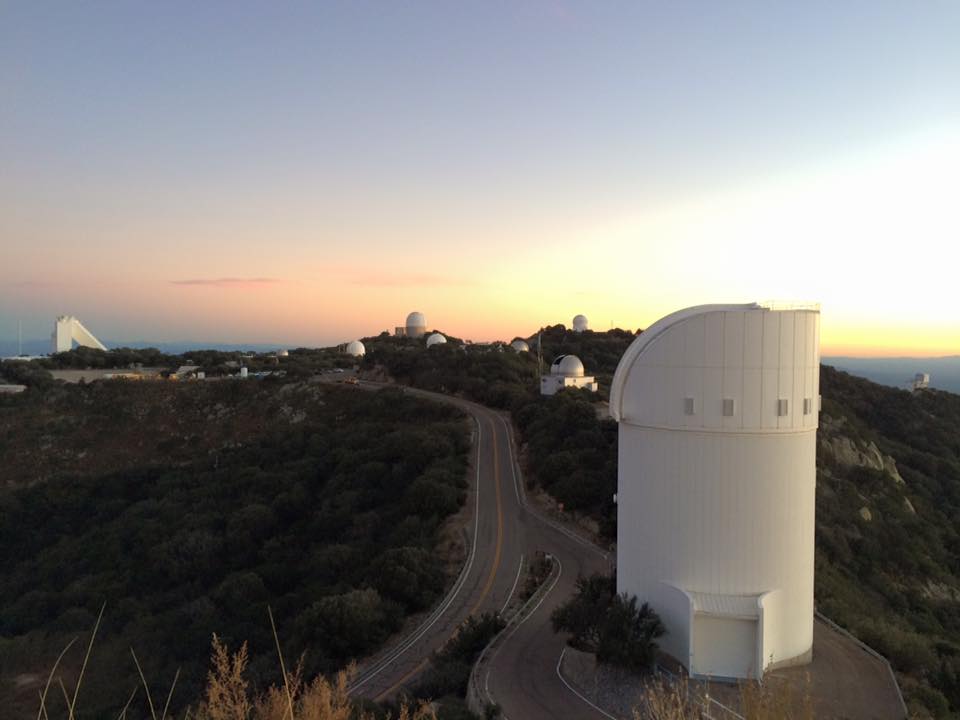
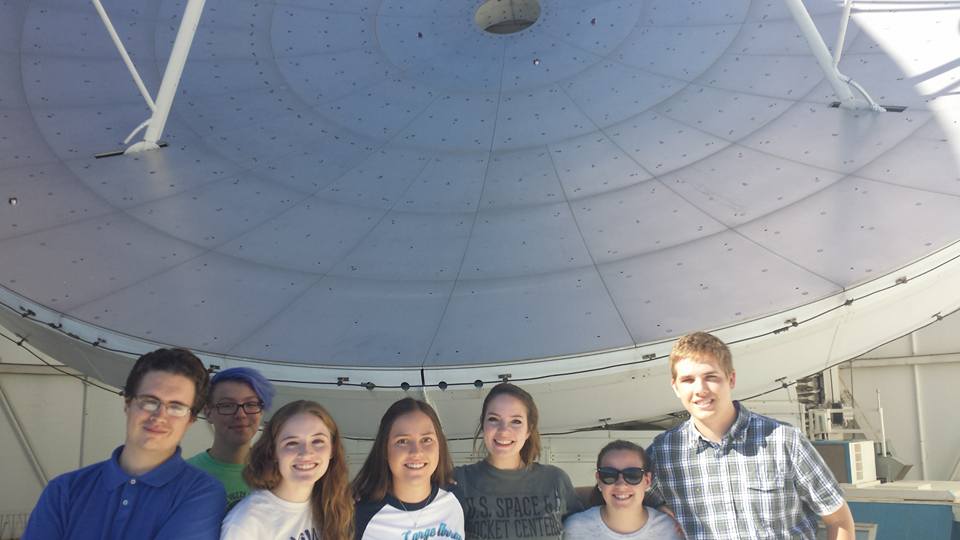
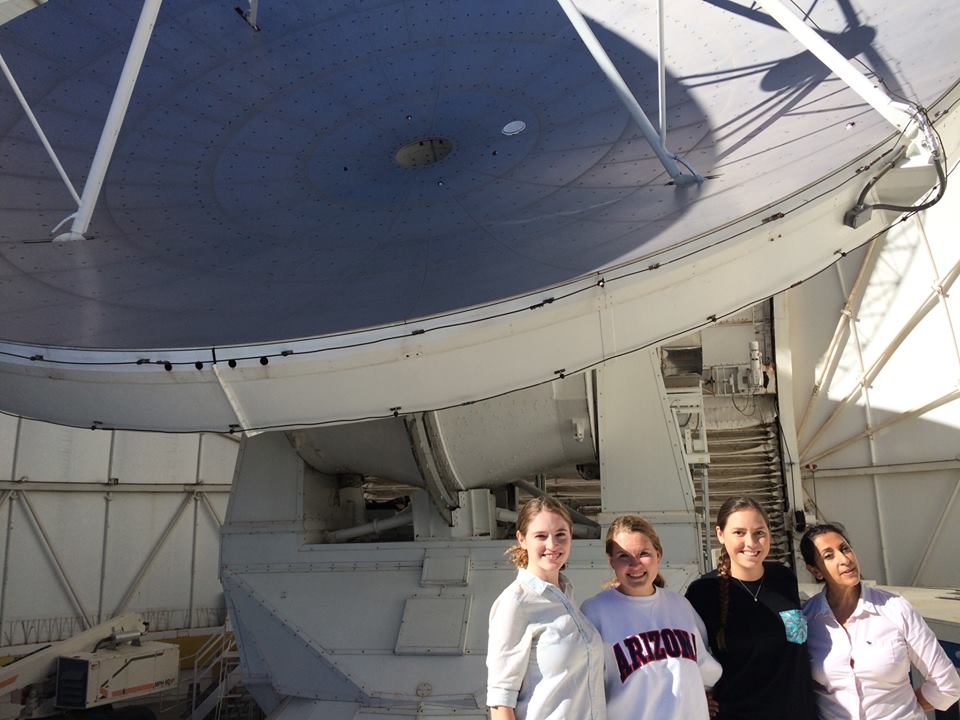
We are currently working on two projects. One project is part of the Planck Cold Core Collaboration. We are completing a survey of ~80 cold cores using the C18O J=1-0 and N2H+ J=1-0 rotational transitions. Our second project is a survey of starless cores in the Perseus and Serpens molecular clouds.

Plan a Star Party!

University of Arizona Astronomy Club Star Parties Click to learn more about our star parties!

Like us on Facebook!

Google +1

Gallery

Lindsay carving the world First set of carved pumpkins astronomy-club-with-former-president-paul-mason_sm In the gym

NASA Image of the Day

Launching Balloons to Study Space Weather

 
In Antarctica in January, 2013 – the summer at the South Pole – scientists released 20 balloons, each eight stories tall, into the air to help answer an enduring space weather question: when the giant radiation belts surrounding Earth lose material, where do the extra particles actually go? This NASA-funded mission is called BARREL, for Balloon Array for Radiation belt Relativistic Electron Losses. Each balloon launched by the BARREL team floated for anywhere from three to 40 days, measuring X-rays produced by fast-moving electrons high up in the atmosphere.BARREL works hand in hand with another NASA mission called the Van Allen Probes, which travels directly through the Van Allen radiation belts. The belts wax and wane over time in response to incoming energy and material from the sun, sometimes intensifying the radiation through which satellites orbiting Earth must travel. Scientists need to understand this process better, and even provide forecasts of such space weather, in order to protect our spacecraft.› Read MoreImage Credit: NASA
Read More
videos engraçados videos divertidos videos droles funny games motorbike games truck games live football live football streaming football streaming online calculator kalkulator free bets free bet proxy server list proxy sites funny videos funny video